
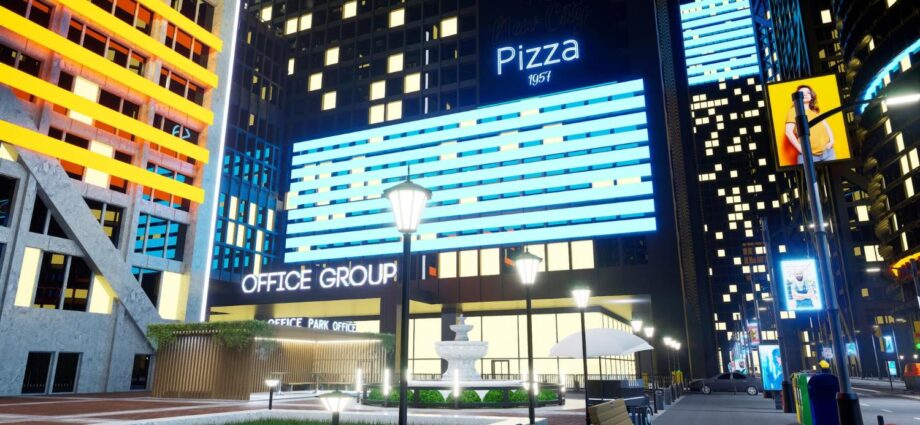
Smart cities are changing the way we live by using technology and data to make urban life better. From transportation to energy management, almost every part of a city is becoming smarter.
One key technology shaping smart cities is LED signs. These digital displays are not just about showing advertisements or directions—they play a central role in making cities safer, more efficient, and connected.
Let’s explore how LED signs contribute to smart cities and why they are so important for modern urban life.
What Are LED Signs?
LED signs are electronic displays that use energy-efficient lights called Light Emitting Diodes (LEDs). These bright, durable displays can show everything from text and images to videos. Compared to traditional signs, LED signs are better at grabbing attention and sharing information in real time.
In smart cities, these signs are becoming essential. They save energy, last longer, and can quickly update to share important messages in busy urban areas.
How LED Signs Help Smart Cities
1. Sharing Information Quickly
One of the biggest roles of LED signs is keeping people informed in real time. Cities often use these signs to display updates on things like road closures, weather alerts, transit schedules, or emergency situations.
For example, LED signs at bus stops or train stations tell passengers when the next bus is coming or if there’s a delay. This makes life easier and helps people plan their day better.
2. Managing Traffic and Promoting Safety
Traffic problems are common in cities, but LED signs are making it easier to solve them. Large roadside LED signs give drivers updates about traffic jams, accidents, or detours. They can even suggest alternate routes to avoid congestion.
For pedestrians, LED signs improve safety by brightening crosswalks or showing warnings in high-risk areas. At night, these signs make streets safer by improving visibility for both drivers and pedestrians.
3. Saving Energy and Being Eco-Friendly
Smart cities aim to be environmentally friendly, and LED signs are a perfect fit for this goal. They use much less energy than traditional lighting systems while producing brighter and higher-quality displays.
LED signs also last longer, cutting down on maintenance costs and reducing waste. In a world focused on sustainability, these energy-saving signs help cities meet their green goals.
4. Boosting Public Spaces and Events
LED signs are often used in city squares, parks, and other public spaces to share information or brighten up the area. They display schedules for events, promote local culture, or even feature artistic designs.
People enjoy seeing creative and useful displays when walking through city streets, and this boosts community engagement. Whether it’s a concert announcement or a holiday light show, LED signs add life to public spaces.
5. Supporting Advertising and Revenue
Smart cities are always looking for ways to fund their initiatives, and LED signs can help. By placing LED displays in busy areas, cities can rent advertising space to businesses.
Local shops, restaurants, and brands get a chance to reach customers, while cities earn extra revenue to invest in new technology. It’s a win-win for everyone.
Conclusion
LED signs are much more than just glowing displays. They are helping smart cities become safer, greener, and more efficient. Whether it’s managing traffic, enhancing public spaces, or keeping people informed, LED signs are delivering real value.
As cities continue to grow, using smart technologies like LED signs will remain essential for building a brighter, more connected future for everyone.