
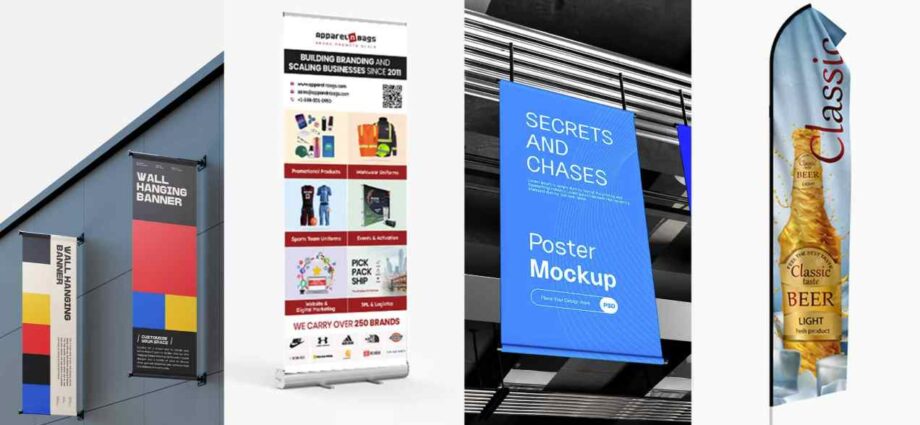
Whether managing a commercial construction project, directing traffic for a outdoor festival, or announcing a retail grand opening, temporary exterior signage provides essential navigation and information. Because temporary signs are designed for swift installation and short-to-medium deployment, selecting the right materials and mounting hardware is critical to withstand wind, rain, and UV exposure without failing prematurely.
A poorly anchored banner or a faded directional sign creates safety risks, confuses visitors, and projects an unpolished image. Technical specifications outlined by AlphaGraphics Northwest Tampa highlight how evaluating local wind loads, selecting appropriate substrate densities, and incorporating wind-relief slits prevents structural failure during severe weather. Taking a systematic approach to material selection and site placement guarantees your temporary signage stays secure, highly visible, and fully functional.
1. Comparing Core Temporary Signage Substrates
Selecting the correct material depends on deployment duration, environmental exposure, and budget constraints. Different temporary substrates offer distinct balances of weight, durability, and cost-effectiveness.
Corrugated Plastic (Coroplast)
Corrugated plastic is a lightweight, twin-wall polypropylene sheet widely used for short-term directional markers, political campaigns, and real estate listings.
- Pros: Highly affordable, waterproof, easy to mount on wire H-stakes or fence posts.
- Cons: Susceptible to bending under high wind loads if unsupported along the back.
Heavy-Duty Heavy-Ounce Vinyl Banners
Flex vinyl banners are versatile options for grand openings, event backdrops, and building wraps.
- Standard 13-oz Vinyl: Suitable for indoor applications or short-term outdoor use in mild weather.
- Heavy 15-oz or 18-oz Blockout Vinyl: Highly resistant to tearing, offering complete opacity to prevent sunlight from showing through the graphic from behind.
Mesh Vinyl
Mesh banners feature thousands of microscopic perforations that allow wind to pass directly through the material rather than pushing against it.
- Best Uses: Construction site perimeter fences, high-wind elevated scaffolding, and sports field fences.
- Key Feature: Reduces wind load strain on supporting fence structures by up to 37%.
2. Placement, Height, and Viewing Distance Calculations
To direct foot or vehicular traffic effectively, temporary signage must be positioned where passing drivers can read and process information safely.
| Vehicle Travel Speed | Recommended Letter Height | Minimum Sight Distance |
| Pedestrian / Low Speed (10–20 mph) | 3 to 4 inches | 100 Feet |
| Suburban Roads (30–45 mph) | 6 to 8 inches | 250 Feet |
| Highways (55+ mph) | 10 to 14+ inches | 400+ Feet |
Site Placement Rules
- Avoid Sightline Obstructions: Position ground-mounted stake signs clear of low tree branches, overgrown shrubs, and parked vehicles.
- Maintain Safety Setbacks: Place roadside directional signs far enough back from curbs to prevent interference with cyclist pathways or pedestrian walkways.
- Angle Signs for Approach: Position signs at a slight angle (around 45 to 90 degrees) relative to oncoming traffic rather than flat against a parallel wall.
3. Securing Hardware and Anchoring Techniques
Environmental forces—especially unexpected wind gusts—pose the primary threat to temporary signage structures. Using appropriate anchoring hardware prevents tipping or tearing.
+————————————————-+
| [GROMMET] [GROMMET]| <– Heavy Duty Brass Grommets
| +—————————————–+ |
| | | | <– Double-Stitched or Welded Hem
| | TEMPORARY EVENT SIGN | |
| | | |
| +—————————————–+ |
| [GROMMET] [GROMMET]| <– Anchor with Zip Ties or Bungee Cords
+————————————————-+
- Use Reinforced Hems and Grommets: Ensure vinyl banners feature double-folded welded hems around all four edges. Heavy-duty brass grommets should be spaced every 18 to 24 inches along the perimeter.
- Anchor with Flexible Bungees or Zip Ties: When mounting banners to chain-link fencing, use heavy-duty UV-resistant zip ties or ball bungee cords through every grommet to distribute tension evenly.
- Incorporate Wind-Relief Cutouts: For solid vinyl banners deployed in open fields, cut half-moon wind slits across the surface to allow air currents to pass through safely.
4. Local Permits and Community Guidelines
Temporary signs are subject to strict municipal zoning ordinances and property lease restrictions. Unpermitted signs risk immediate removal and daily municipal fines.
- Check Time Limitations: Most city ordinances limit temporary outdoor signage displays to specific durations (such as 30 to 60 consecutive days per calendar year).
- Verify Size and Quantity Caps: Municipal codes often restrict the total square footage of temporary banners allowed on a building façade or commercial fence line.
- Respect Public Right-of-Way Rules: Never place temporary signs on public utility poles, median strips, or sidewalks without explicit municipal authorization.
5. Inspection and Upkeep Checklist
Maintaining a routine inspection schedule keeps temporary signs safe, clean, and fully legible throughout their deployment period.
- [ ] Weekly Tension Check: Inspect banner tie-downs and H-stakes after heavy rain or windstorms to tighten sagging lines.
- [ ] Surface Cleaning: Wipe down road dust, mud splashes, and grit from sign faces using water and a non-abrasive soft cloth.
- [ ] Structural Anchors: Examine metal posts, sandbag weights, and zip ties for signs of wear, fatigue, or UV degradation.
By selecting durable weather-rated materials, calculating appropriate viewing distances, and anchoring hardware securely, you can deploy effective temporary signage that guides visitors safely and protects your organization’s image.