
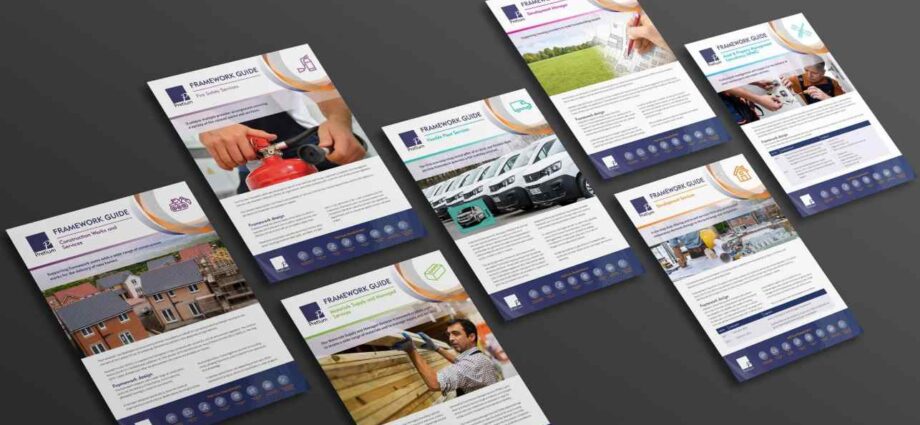
In a highly competitive commercial ecosystem, managing a company’s physical collateral involves far more than just generating marketing handouts. For scaling enterprises, corporate stationery, training manuals, and product packaging are essential operational assets that directly impact internal workflow efficiency and outward brand equity. When departments independently source prints from unvetted online vendors, the results are predictable: inconsistent corporate colors, varied paper stocks, and delayed delivery timelines that disrupt product launches or sales presentations. Establishing true brand compliance requires a centralized, systematic approach to commercial production. Partnering with a comprehensive print and logistics management center like AlphaGraphics Crystal Lake enables local corporations to move away from disjointed procurement methods and implement streamlined supply chains for all physical media assets.
Investing in an enterprise-level Print Services program is an essential business decision that optimizes procurement costs, secures corporate identity assets, and improves day-to-day operational velocity across your regional footprint. This guide breaks down the core logistical frameworks, material standards, and structural pipelines required to maintain absolute visual consistency across your organization.
Restructuring the Corporate Print Procurement Process
Modern business operations require on-demand agility without sacrificing quality standards. Centralizing your print procurement under a structured commercial framework eliminates administrative overhead and prevents unauthorized brand variations across different branches or departments.
An efficient enterprise print program relies on three core operational pillars:
- Corporate Web-to-Print Portals: Implementing a centralized digital catalog where authorized employees can order pre-approved corporate stationery, business cards, and marketing materials. This system enforces strict brand guidelines while simplifying reordering for local offices.
- Just-In-Time (JIT) Inventory Control: Shifting away from massive, costly production runs that fill storage closets with outdated documents. Utilizing fast-turnaround digital print technologies allows companies to print smaller, precise volumes that keep corporate collateral current and minimize material waste.
- Integrated Logistics and Fulfillment: Streamlining operations by combining printing, custom kitting, and direct distribution under a single workflow. Whether preparing training materials for human resources or assembling promotional kits for a sales team, direct fulfillment ensures materials arrive precisely when and where they are needed.
Aligning Material Selection with Corporate Strategy
The physical properties of your corporate documents play a major role in how clients and partners perceive your operational standards. Selecting the appropriate paper weights, finishes, and binding methods ensures your documents perform reliably in the field.
| Material Component | Technical Standard | Primary Business Application |
| Executive Stationery | 24lb to 28lb Premium Bond | Official corporate correspondence, legal documents, and formal contracts. |
| Corporate Literature | 80lb to 100lb Text (Matte/Gloss) | High-end sales brochures, annual corporate reports, and detailed product guides. |
| Heavy-Duty Covers | 10pt to 12pt Premium Cardstock | Durable protective covers for training manuals, menus, and heavy presentation folders. |
| Functional Binding | Twin-Loop Wire-O / Spiral | Technical manuals, field guides, and reference workbooks built to lie completely flat. |
The Enterprise Production Pipeline: From Asset to Distribution
Maintaining absolute visual compliance across thousands of physical items requires a highly disciplined prepress and manufacturing workflow. True quality control depends on a systematic layout approach:
1.Verify Brand Assets and Typography:Asset Calibration.
Audit all corporate design files to ensure exact color profiling, font usage, and vector scaling match established corporate identity standards.
2.Optimize Technical Print Specifications:Prepress Engineering.
Calibrate documents for structural accuracy, checking layout dimensions, setting correct safety margins, and converting files from the digital RGB spectrum to the CMYK ink framework.
3.Execute High-Precision Production Run:Automated Fabrication.
Process files through commercial offset or digital presses, applying premium finishes like protective coatings or matte laminations before moving to final trim and assembly.
Protecting and Scaling Your Corporate Footprint
Your physical documentation acts as a tangible representative of your company’s professional standards, operational precision, and market leadership. Allowing inaccurate color matching, flimsy paper stocks, or delayed production schedules to interfere with your corporate communications weakens your market position and opens the door for competitors to win over key accounts. Upgrading your corporate infrastructure to a centralized, professionally engineered print management system is the most dependable way to protect your brand equity and streamline your operations.
If your current print materials lack the absolute consistency and high-end polish required to match your corporate goals, upgrading your printing infrastructure is an important next step. To review enterprise web-to-print portals, analyze custom paper selections, and establish specialized corporate printing programs built for your exact operational scale, explore the production services platform directly at Partnering with an expert commercial production network ensures your organization deploys flawless corporate assets designed to perform under pressure, command respect, and support long-term business growth.